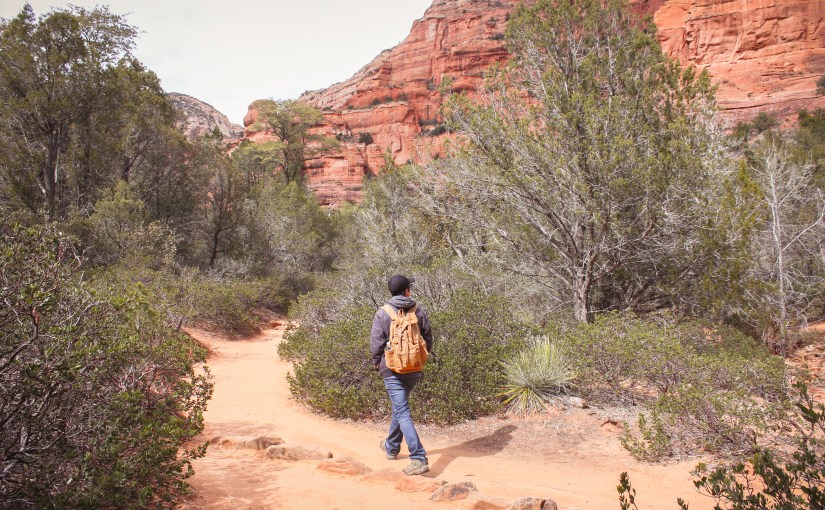
When I first began hiking nearly five years ago, I had little to no knowledge of what a responsible hiker looked like. Of course, I knew the basics: don’t litter, give fellow hikers personal space, and don’t pluck souvenirs from the trail. But aside from the basic knowledge, I wasn’t aware of the major principles that provided the backbone for outdoor activity, and just how crucial these regulations were. Ignorance can be just as dangerous as belligerent noncompliance. Both could lead to endangering our natural spaces. Now that I am fully versed in the widespread recreational principles and wholeheartedly immersed in the outdoor culture, I am going to share them with you now, so that you may enjoy nature responsibly, whether in the backcountry, within city limits, or in your own backyard.
Whether or not you consider yourself an avid adventurer or hiker, you may have heard the phrase “leave no trace” tossed around on social media or popping up in surrounding conversation. This array of principles was designed to provide an “easily understood framework of minimum impact practices for anyone visiting the outdoors.” These seven guidelines were created with a direction focused on the backcountry, but they apply to any outdoor space. Nature is all around us. Whether you are lounging in your backyard with a glass of sweet tea in your hands, galavanting through the bustling streets of New York City, or backpacking across the Pacific Crest Trail, nature encompasses you. We must take care of our planet and enjoy nature responsibly. With all of this in mind, here are the seven principles that provide the backbone for the Leave No Trace foundation:
- Plan Ahead and Prepare
- Travel and Camp on Durable Surfaces
- Dispose of Waste Properly
- Leave What You Find
- Minimize Campfire Impacts
- Respect Wildlife
- Be Considerate of Other Visitors
PLAN AHEAD AND PREPARE
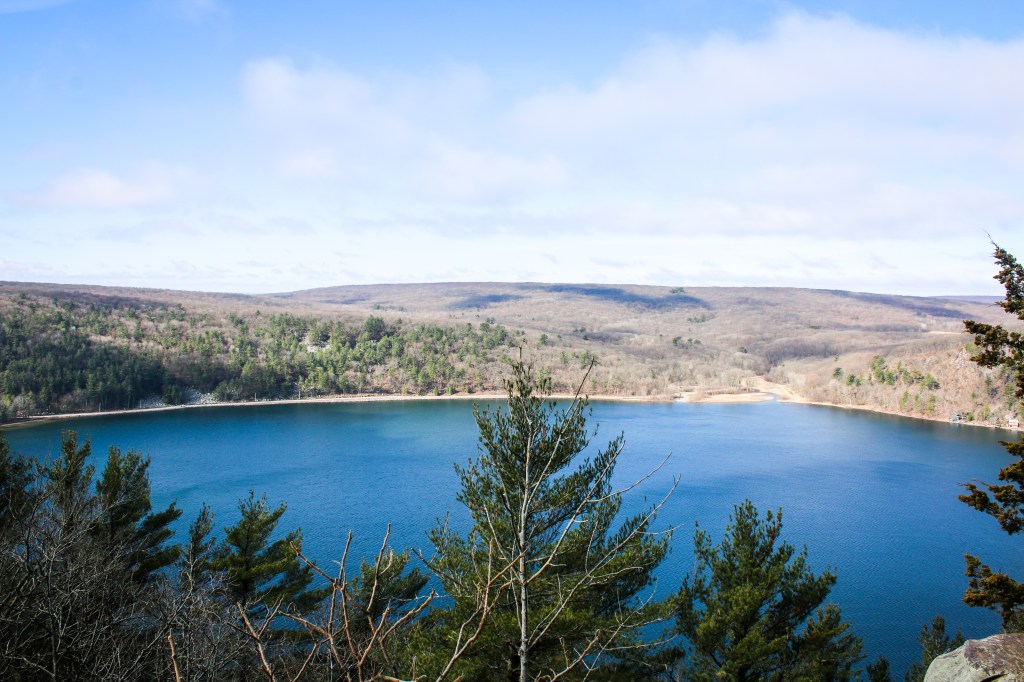
You may be asking yourself why trip planning is on the list of outdoor principles. What does planning your trip have to do with environmental health and your own personal safety? Well, taking into consideration things like weather, terrain, trail conditions, and restrictions will ensure not only the safety of you and your group, but also enhance your overall experience. Lack of preparation often results in damaging fragile landscapes, frequent indecision, unintentional personal harm, food and water shortage, or miserable experiences. For example, if you are not up-to-date on weather patterns or trail conditions, you may be putting yourself and the fragile ecosystem at risk. If you’re not aware of closures, you will be forced to re-route and pick a different location, causing scrambling thoughts, time loss, and unnecessary arguments. If you’re not aware of trail lengths and required physical exertion, you may find yourself in a time crunch or in an unsafe situation. While a little spontaneity surely does spice up an adventure, careful planning will yield happy travelers and a healthy environment.
WAYS TO PLAN AHEAD:
- Watch the radar, and always be prepared for unexpected weather conditions.
- Know the terrain and plan accordingly.
- Keep yourself up-to-date on trail conditions, closures, and restrictions.
- Research the area that you will be visiting thoroughly. Know the amount of food and water you will need, what to wear, what to see, places to avoid, dangers to be aware of, etc.
- Understand your personal skill, activity level and physical limits. Don’t push yourself too far, especially when conditions are not ideal.
Whenever I am planning a trip, even if it’s just a day-trip or weekend adventure, I heavily research. I scroll through articles and blogs and navigate my way through AllTrails, Trip Advisor and Google Maps until I have a thorough understanding of the landscape that I will be hiking. Usually on my way home, or sometimes in the middle of the park, my wife or I will spot a trail or landmark that wasn’t visible online or that we didn’t previously research, and we will spontaneously visit it. As long as you read the signs before entering the area and are keeping environmental safety and personal safety at the forefront of your mind, adventure away!
TRAVEL AND CAMP ON DURABLE SURFACES
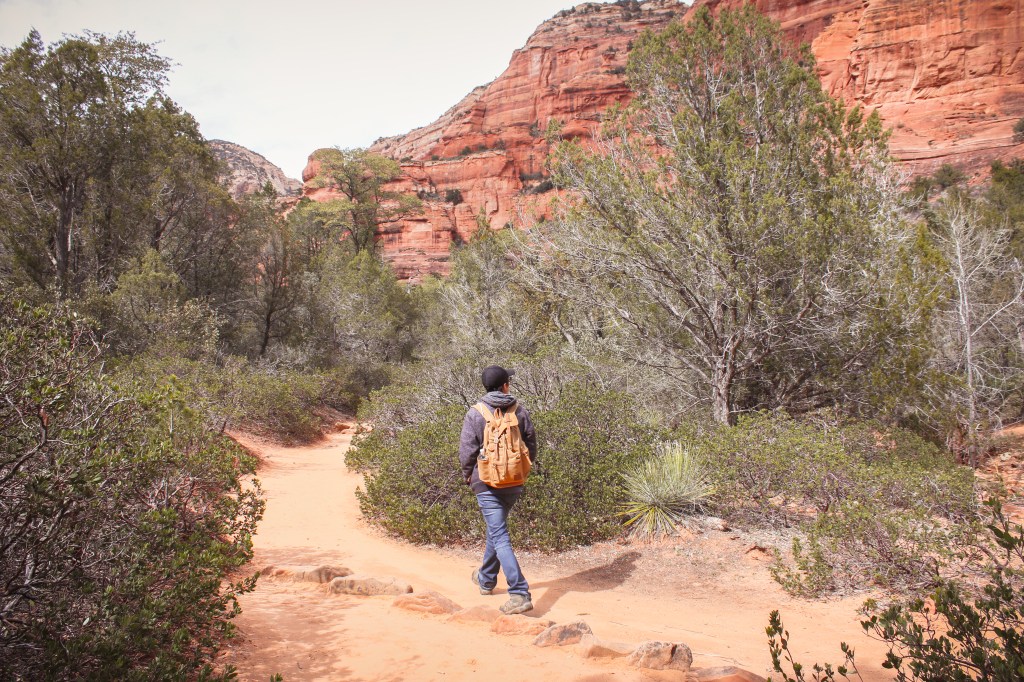
Staying on marked trails is always recommended, but occasionally you will need to venture off trail for things like campsite exploration and bathroom searches. Avoid meandering off paths when unnecessary; trails are marked the way they are for a reason. Squashing off-trail ground could result in severe harm for the landscape or unwelcome wildlife disturbance. When wandering off trail to camp or use the restroom, it is important to avoid trampling fragile land. Not sure what is considered fragile and subject to destruction versus what is durable and can withstand foot traffic? I am here to tell you!
DURABLE SURFACES:
- Rock, sand and gravel
- Deep, layered ice and snow
- Dry grass
FRAGILE, VULNERABLE SURFACES TO AVOID:
- Wet meadows and vegetation
- Living soil
- Desert puddles and mud holes
If you are unable to avoid a fragile surface, attempt to follow previous footprints so that only a small area is affected.
SELECTING A CAMPSITE
- Camp at least 200 feet from water sources. This will allow animals a wide path to access their water and avoid disturbance.
- Attempt to choose a spot that has already been heavily impacted, so that your use will not add any further damage.
- Wear soft shoes that won’t leave heavy footprints.
- Try to find a durable surface, such as gravel or rock to set up camp.
Overall, make your decision with consideration to surface durability, impact level assessment, and wildlife disturbance possibilities.
DISPOSE OF WASTE PROPERLY
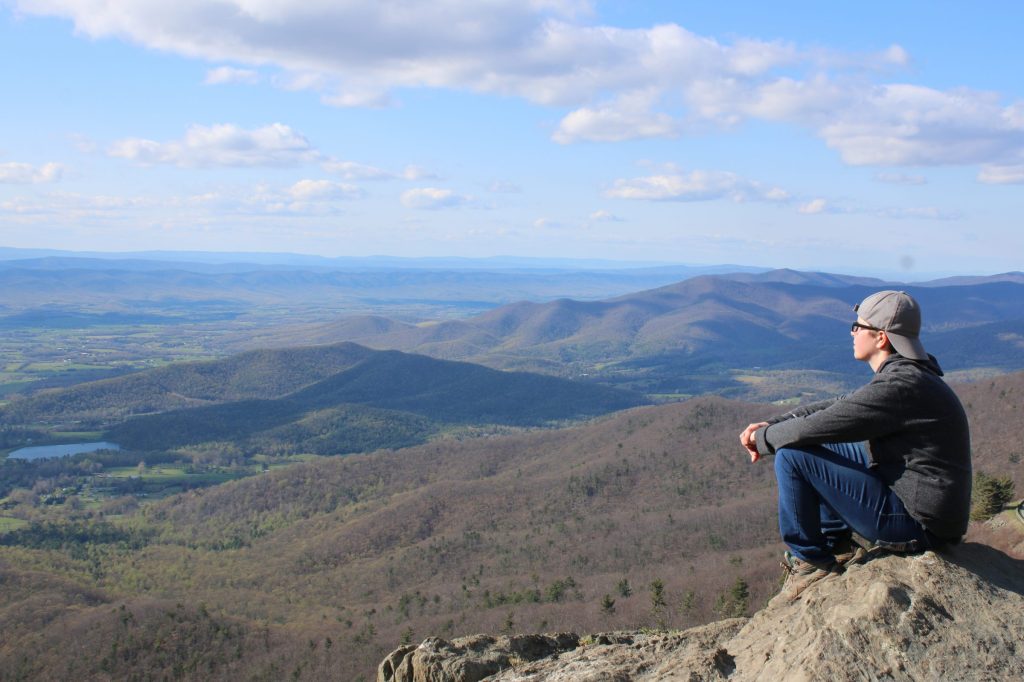
This principle applies to all forms of waste, from litter to human waste. The main concept behind this guideline is “pack it in, pack it out.” Leave no trace means, in its most literal terms, leave the area exactly as you found it and as if no one was there at all. Pack out everything from wrappers and grease to human waste and wastewater.
HOW TO PROPERLY PACK OUT WASTE:
- When disposing of human waste, dig a 6-8 inch hole at least 200 feet from camp, trails, and water sites. Fill hole when done.
- Pack out used toilet paper and feminine hygiene products.
- Wash dishes and hands 200 feet away from natural water sources to avoid contamination. TIP: Use hand sanitizer for quick and easy hand-washing.
- Don’t burn litter. This could cause wildfires.
- Place all trash in a plastic bag and hang on tree branch with your other food where wildlife cannot reach.
LEAVE WHAT YOU FIND
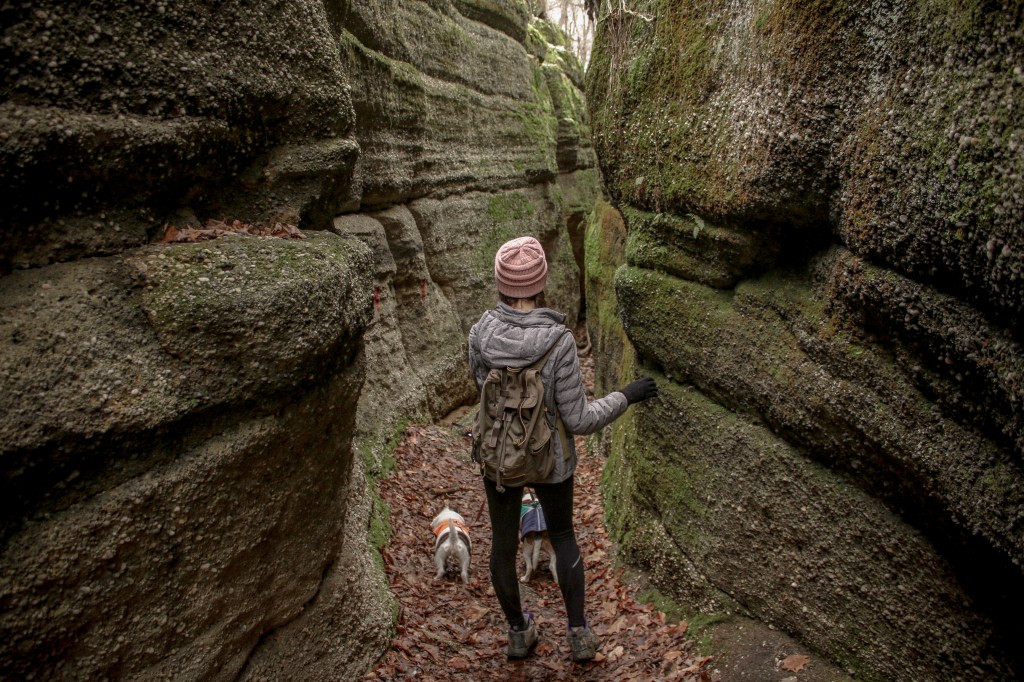
“Take only pictures, leave only footprints.” You may’ve heard of this phrase before, and it still rings true (although, the fewer footprints, the better!). When you are hiking along a trail, it might be enticing to pluck a unique ruby leaf from a tree or snag an odd-shaped rock from the ground, but avoid temptation! Leave everything exactly where it is and allow others the magic of discovering the interesting objects. Taking objects from their natural habitat might not seem like harm will follow, but once one person does it, many people follow suit, and suddenly the vegetation slowly depletes and landscape conditions drastically alter.
MINIMIZE CAMPFIRE IMPACTS
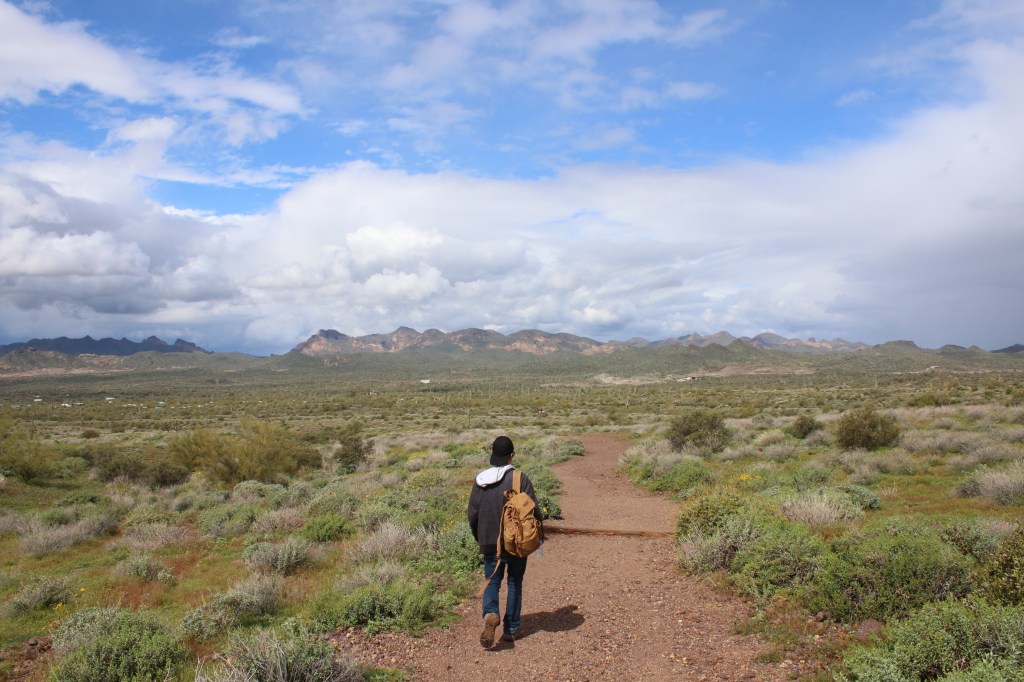
Slowly, backcountry hikers and campers are making the switch from campfires to stoves. Why? Campfires have been privy to put the surrounding woods in danger of wildfire, swirling thick plumes of smoke into the atmosphere. Stoves, on the other hand, are minimum impact, faster, more efficient, and can operate in almost any weather condition.
Should You Build a Fire?
- Is there a fire danger for the area you are camping?
- Are there fire restrictions for the area?
- How much wood is available?
- Do you have the knowledge to make your campfire minimum impact?
Ultimately, if you decide to build a fire, make sure to do so in an established ring, use a low amount of firewood and only burn it when necessary, and burn all wood and coals to ash. If you’re in doubt or not entirely sure that your experience will be low impact, use a stove.
RESPECT WILDLIFE
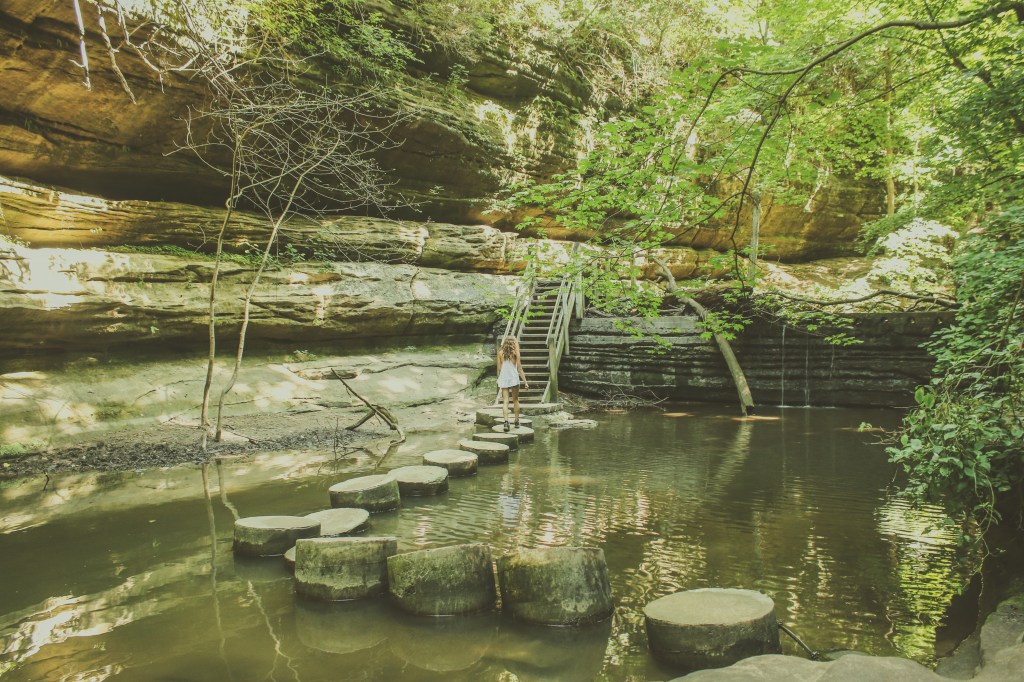
When wandering through the woods, you will surely come across wildlife. Depending on what region of the country or world you are exploring, you may see deer, elk, mountain lions, moose, bobcats, or even bears. If you are exploring in a wetland, you may come across reptiles or amphibians. But no matter where in the world you are, you will definitely feel insects buzzing in your ears and birds swooping through tree branches.
WILDLIFE TIPS:
- Do not approach or follow wildlife. They may think that your intentions are malicious; therefore, they may attack. Remember, you are entering their territory; respect boundaries and keep your distance.
- Do not make loud noises.
- Do not feed the wildlife.
- Make sure you store your food away from the reach of wildlife when camping. Examples of this would be using bear canisters or storing food in a tall tree.
- Set up camp at least 200 feet from any water source. This will allow wildlife the freedom to access their drinking water without disturbance.
- Swimming in lakes is allowed for the most part. However, in dry desert landscapes, avoid touching any water source, as hydration scarcity is an issue to nearby animals.
- Make sure your pets are on a leash and keep them a safe distance from other animals at all times.
BE CONSIDERATE OF OTHER VISITORS
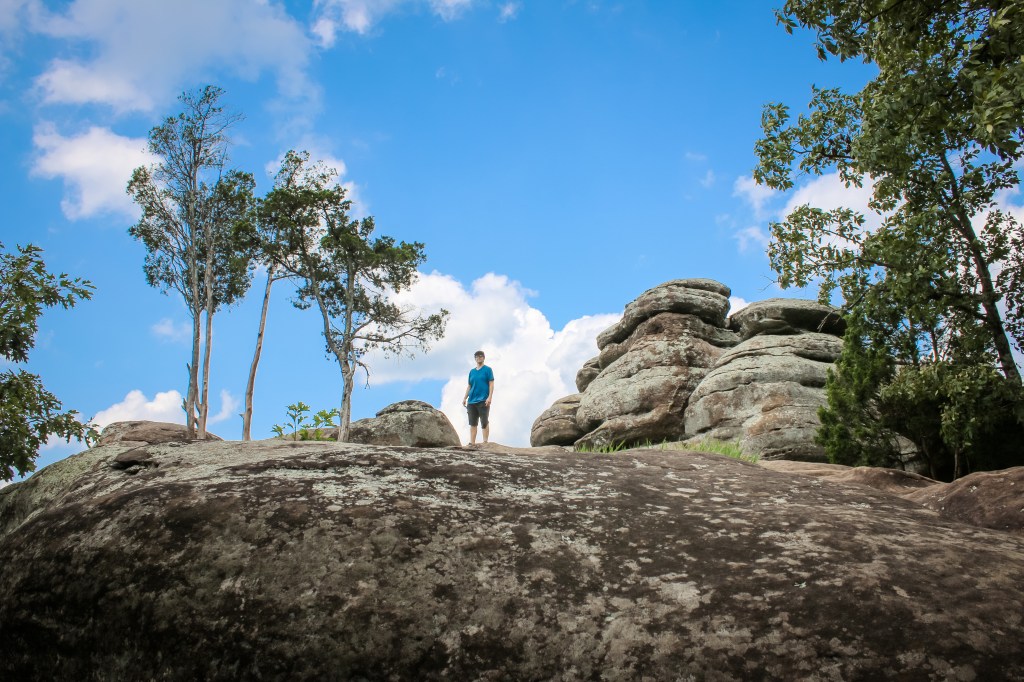
Everyone craves silence, tranquility and peace when entering the backwoods. Disturbances, such as blaring music, loud conversation, and uncontrolled pets, can cause a fellow hiker to have an unenjoyable experience.
TIPS FOR A MUTUALLY ENJOYABLE NATURE EXPERIENCE:
- Keep your pets leashed and controlled at all times.
- If you wish to listen to music or a podcast, use earbuds instead of your phone’s speaker or bluetooth device.
- Yield to oncoming bikers or faster-paced hikers. Step to the side if you need to take a break.
- Keep voices low and phones on silent so as not to disturb nature’s natural, soothing sounds.
- Downhill hikers always step aside to allow uphill hikers to pass.
I hope you have learned a thing or two about hiking etiquette, camping expectations, outdoor responsibility, and leave no trace principles! Education and compliance are keys to an overall enjoyable outdoor experience!
Happy hiking!
These seven principles were created by Leave No Trace Foundation. The explanations, bullet points and summaries of each principle were in my own words. To read more about each of the seven principles, head over to Leave No Trace’s website. They’re continually updating, revising and reshaping the principles based on the changing world.
 Wonder. Wander. Repeat.
This was definitely a comprehensive post of hiking. Thanks for taking the time to inform us.
LikeLike