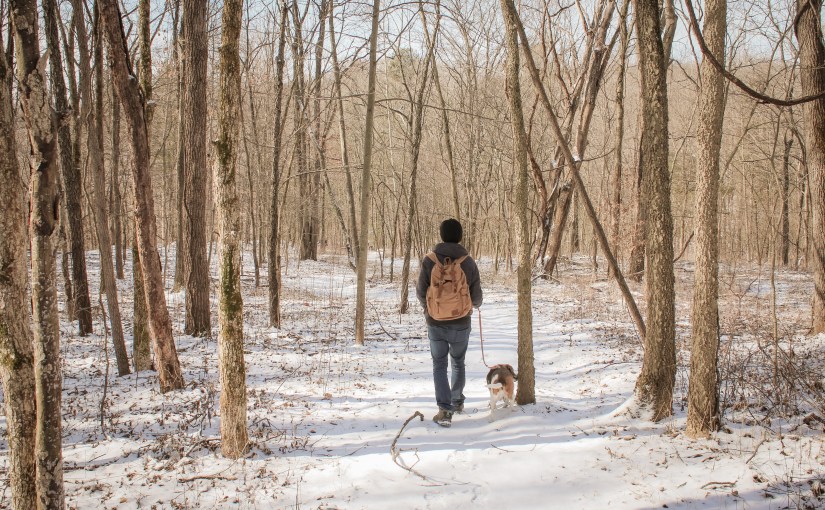
Temperatures are dropping. White snowflakes are gracefully floating from the sky and dusting the ground. Days are becoming shorter. What do these three things indicate? Winter is coming! Though it’s not officially here yet, one look out the window suggests its looming imminence. Normally winter brings gloomy moods and causes people to hunker down inside the house with steaming cups of hot cocoa warming their hands; however, I look forward to these chilly temperatures! Why? Because winter actually creates some of the best hiking conditions, and I’m going to tell you why. Hopefully by the end of this post, I will have persuaded you to unwrap the blanket that you’re surely cocooned in and roam from the heated comfort of your house to the snowy terrain outdoors!
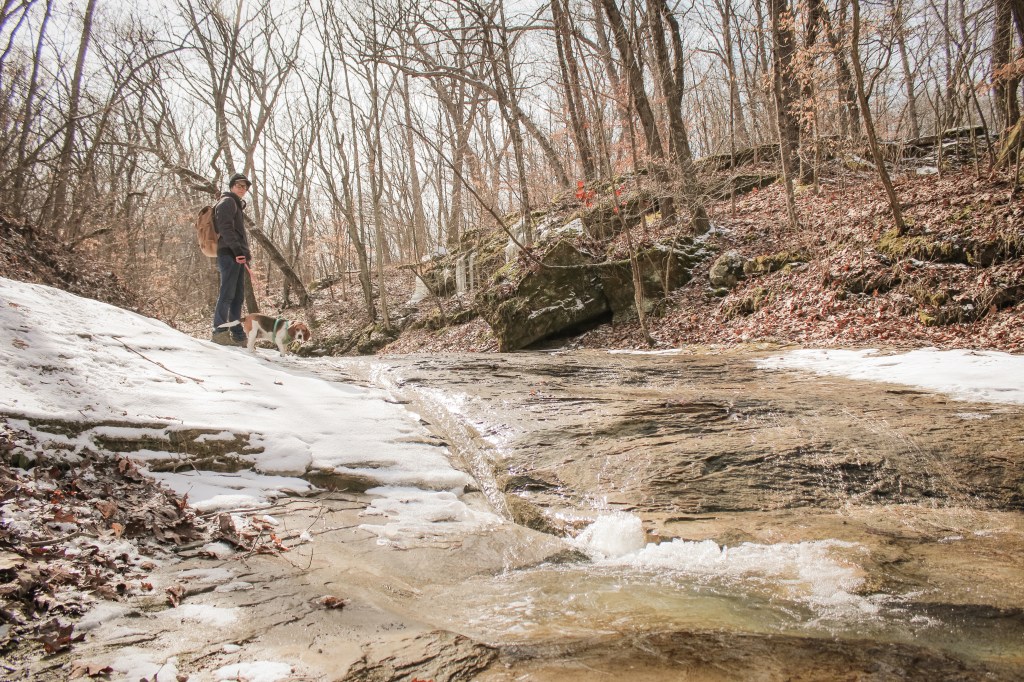
My wife and I began winter hiking two years ago, and our love for the activity blossomed immediately. During that first adventurous winter, we hiked through places like Cuyahoga Valley National Park in Ohio, Clifty Falls State Park in Indiana, and Matthiessen and Starved Rock State Parks in Illinois. These four parks, which are normally heavily populated in the summer, were eerily quiet in the chilly months. We had these parks entirely to ourselves, which allowed us the freedom to explore the parks in peace and quiet. A tangible hush swirled the trails, the only sound our hiking boots crunching on the dead leaves scattering the paths.
Since we were the only souls traipsing through the trails, we were able to soak in our surroundings and saunter at our own pace. We visited all four of these parks in the summer, and the difference was striking. People crowded the trails; tourists talked loudly on their phones; thunderous sounds echoed throughout the park. We were still able to enjoy the trails, but it definitely felt more serene in the winter. Something about wandering the woods makes you crave silence. I love hearing birds chirp, wildlife shuffle through trees, branches crack. Absorbing nature is so much more enjoyable and relaxing when it’s just you and the trail.
Another reason I enjoy winter hiking is the different perspectives you will surely gain. Think about this. When you hike through a wooded trail in the summer, leaves are clung to tree branches, full, green and lush. Most people don’t think about this but trees cause barriers between you and your surroundings. For example, when we were strolling through Pine Nature Preserve in Indiana last winter, a thought popped into my head as I gazed through the bare tree branches: if it were summer, I wouldn’t be able to see as far as I’m able to see right now. Visibility is wider, lengthier, in the winter. Bare trees allow you to see further into the forest and peep things that you may not notice if leaves were clinging to every branch.
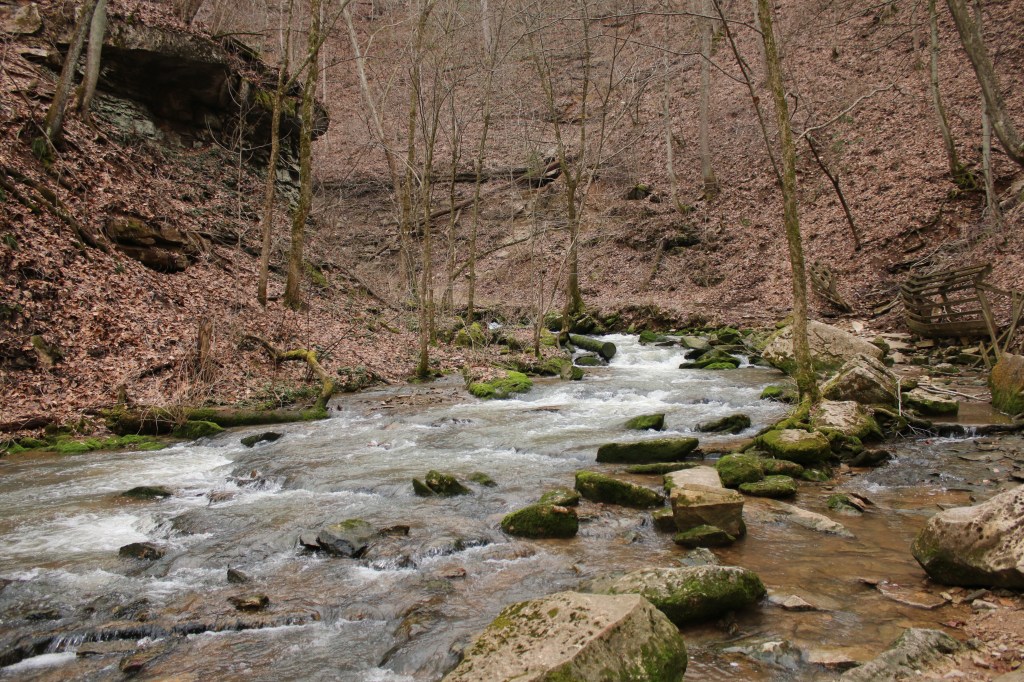
Lastly, winter temperatures make some of the most ideal hiking conditions. We’ve been hiking for over four years now, and I can say with confidence that temperatures between 40 and 60 make for the most comfortable hiking conditions. We’ve hiked in temperatures ranging from 20-100, and cooler temperatures are overall more optimal. I still wrap my body in layers of clothing and don gloves, a scarf and a hat, but I typically end up shedding most of those layers by the end of the first trail. When temperatures are frosty, sweat, adrenaline and exertion that occur during hiking cause your body to warm up, making it seem like the air is warmer than it actually is. When the temperatures are above 80, it almost seems like an uphill battle because the sweat continues to pour and doesn’t stop, no matter how often you stop for water and rest breaks.
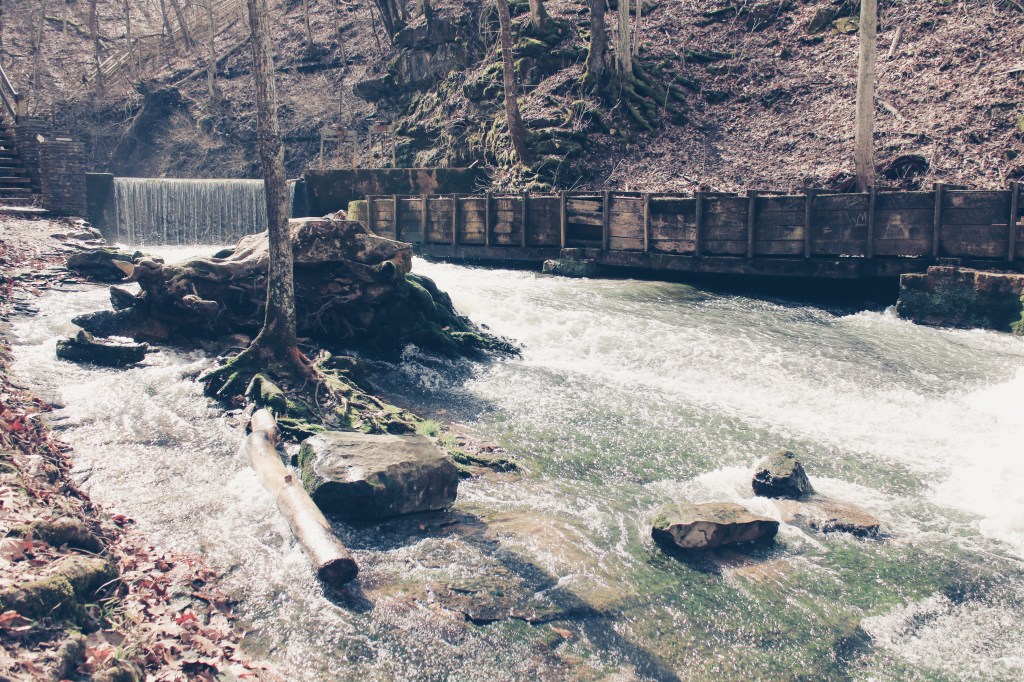
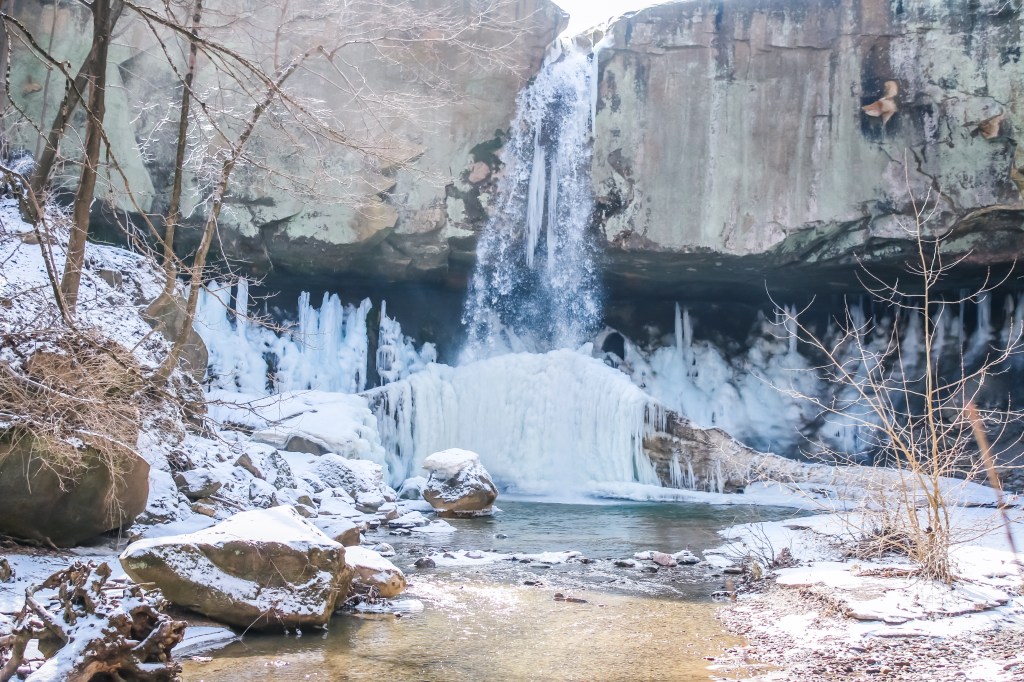
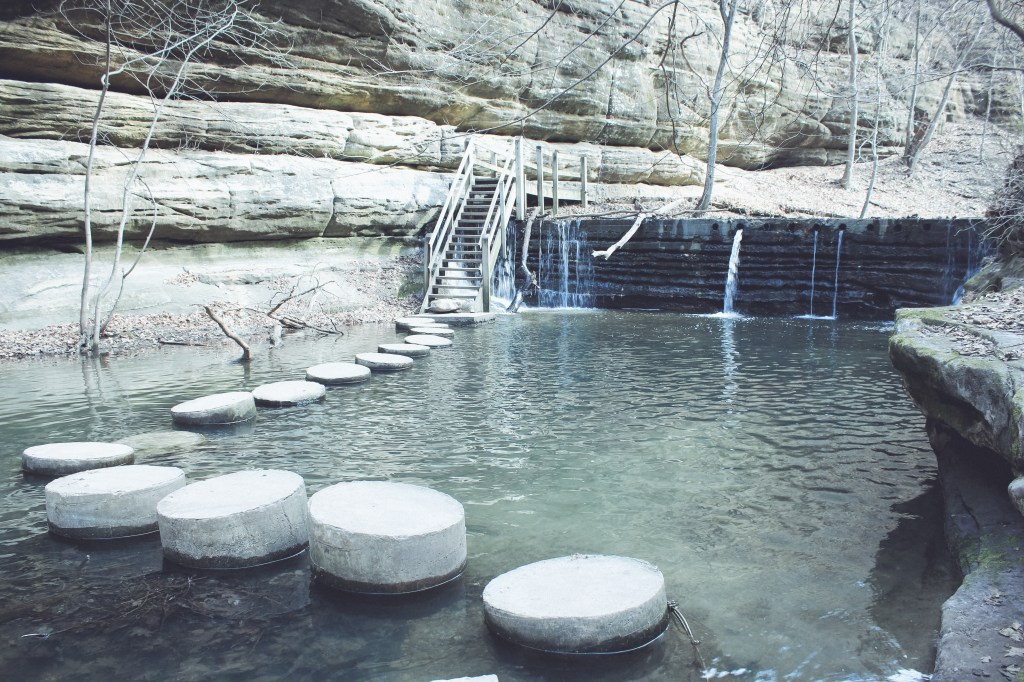
Now, that all being said, I don’t want my readers to think that I don’t enjoy summer hiking. I am an avid advocate that everyone should hike each season because each season has something beautiful to offer. Each season brings new sights, new perspectives, new trail conditions, etc. Waterfalls flow in the spring and freeze in the winter (two VERY different sights, both equally breathtaking). Trees are vibrant and colorful in the fall and bare in the winter. Water levels are higher in the spring and winter and are lower in the summer, allowing you to cross paths that could be impassible during other seasons. Varying wildlife make appearances along the trails in the warmer months versus the colder months.
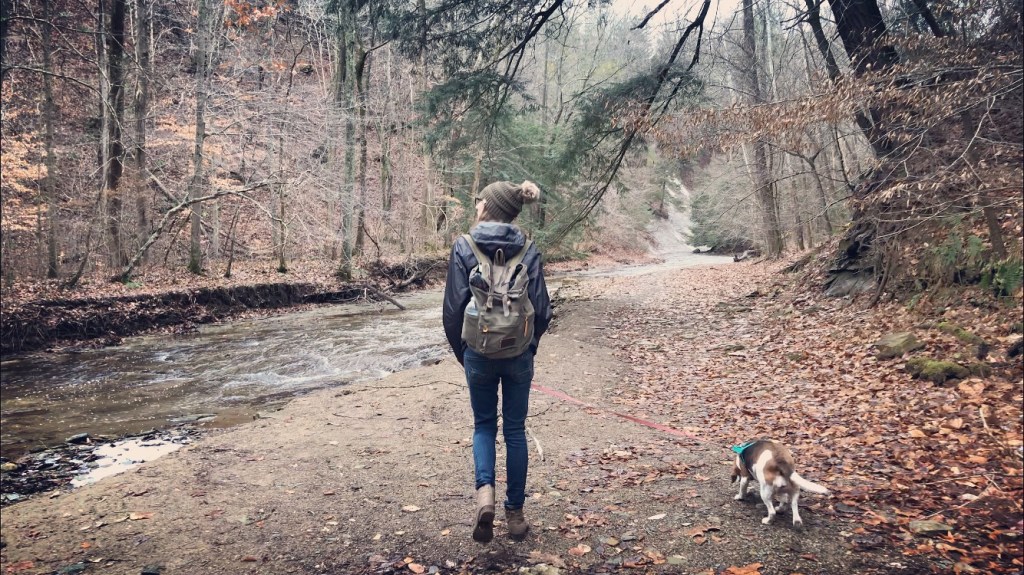
With all of these points in mind, I urge each and every one of you to go outside and explore this season! Summer, fall and spring may seem like the only optimal months to explore and seek adventure, but this isn’t true at all. I was never a fan of cold weather, but I’m a fan of adventure, travel, hiking, and exploration, so I gave it a whirl, and I instantly fell in love. You’ll never know until you try, so get out there and seek adventure, no matter the season, no matter the temperature.
Happy hiking!
 Wonder. Wander. Repeat.